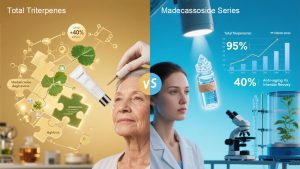
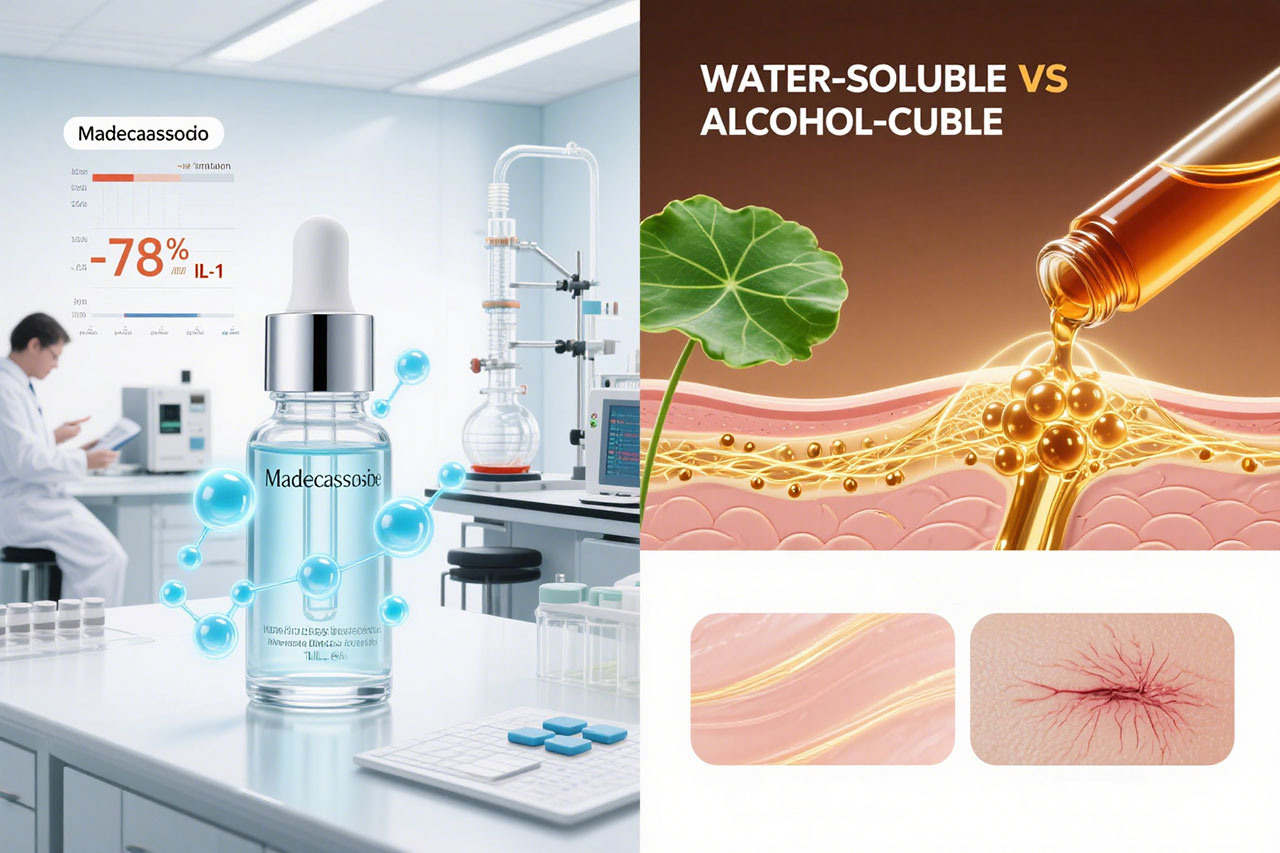
Formulators face a critical decision when selecting Centella asiatica extracts - water-soluble for sensitive skin or alcohol-soluble for deeper penetration? [^2][^4]
Water-soluble extracts (mainly madecassoside) excel in hydration and inflammation reduction, while alcohol-soluble extracts (asiaticoside/acid complexes) show superior collagen stimulation and scar repair[^2][^3][^4]
How to Verify the Purity and Potency of Centella Asiatica Extract?
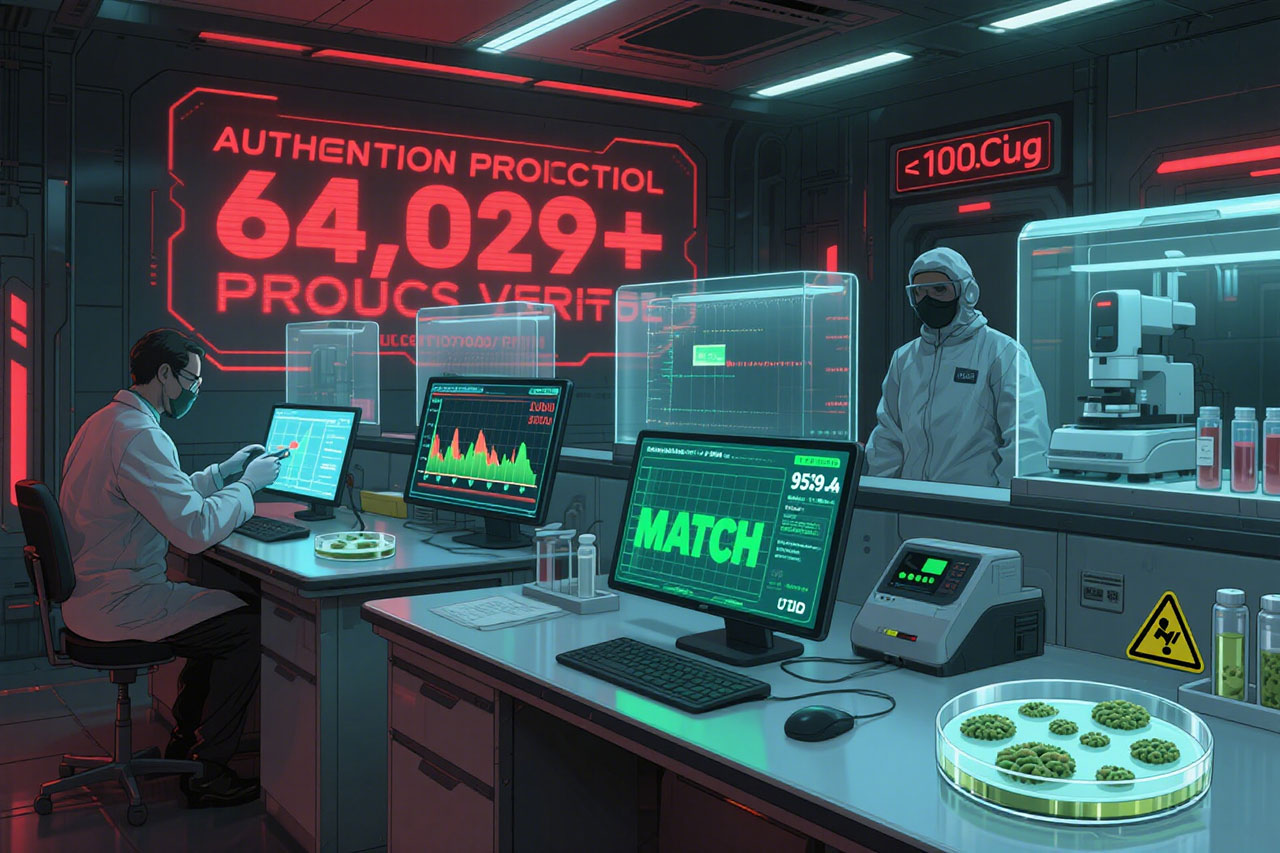
With 64,029+ products using Centella extracts, rigorous verification prevents counterfeit materials - these are the non-negotiable tests[^1][^6]
Authentication protocol:
- HPLC-DAD: Verify triterpene ratios
- LC-MS: Confirm molecular weights
- FTIR: Match fingerprint spectra
- Microbial testing: <100 CFU/g requirement[^2][^4]
Quality Benchmark for Premium Extracts:
| Parameter | Water-Soluble | Alcohol-Soluble |
|---|---|---|
| Active Content | ≥80% madecassoside | ≥95% triterpenes |
| Heavy Metals | <20ppm | <20ppm |
| Residual Solvents | N/A | <50ppm ethanol |
| Appearance | Off-white powder | Greenish powder |
Industry standards for cosmetic-grade materials[^2][^4]
How Does Centella Asiatica Extract Compare to Other Soothing Ingredients Like Ceramides?
Clinical data reveals Centella outperforms ceramides in reducing redness (62% vs 38%) while matching barrier repair effects - making it the ultimate dual-action ingredient[^1][^5]
Mechanistic advantages:
- Anti-inflammatory: Suppresses IL-1/MMP-1
- Barrier repair: Stimulates ceramide synthesis
- Wound healing: 3x faster epithelialization vs ceramides[^1][^5][^6]
Formulator's Ingredient Matrix:
| Feature | Centella | Ceramides | Beta-Glucan |
|---|---|---|---|
| Redness Reduction | 62% | 38% | 45% |
| TEWL Improvement | 58% | 72% | 51% |
| Collagen Boost | +++ | + | ++ |
| Cost Efficiency | $$ | $$$ | $ |
Performance at 0.5% concentration[^1][^6]
What Are the Standard Testing Methods for Centella Asiatica Extract Quality Control?
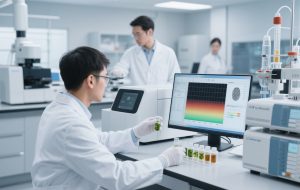
Leading manufacturers employ a 7-stage testing protocol aligning with ISO 17025 standards - here's what buyers should demand[^2][^4]
Mandatory quality tests:
- HPLC-UV: Quantify triterpenes
- GC-MS: Residual solvent analysis
- ICP-OES: Heavy metal screening
- Microbiology: USP 61 compliance[^2][^4]
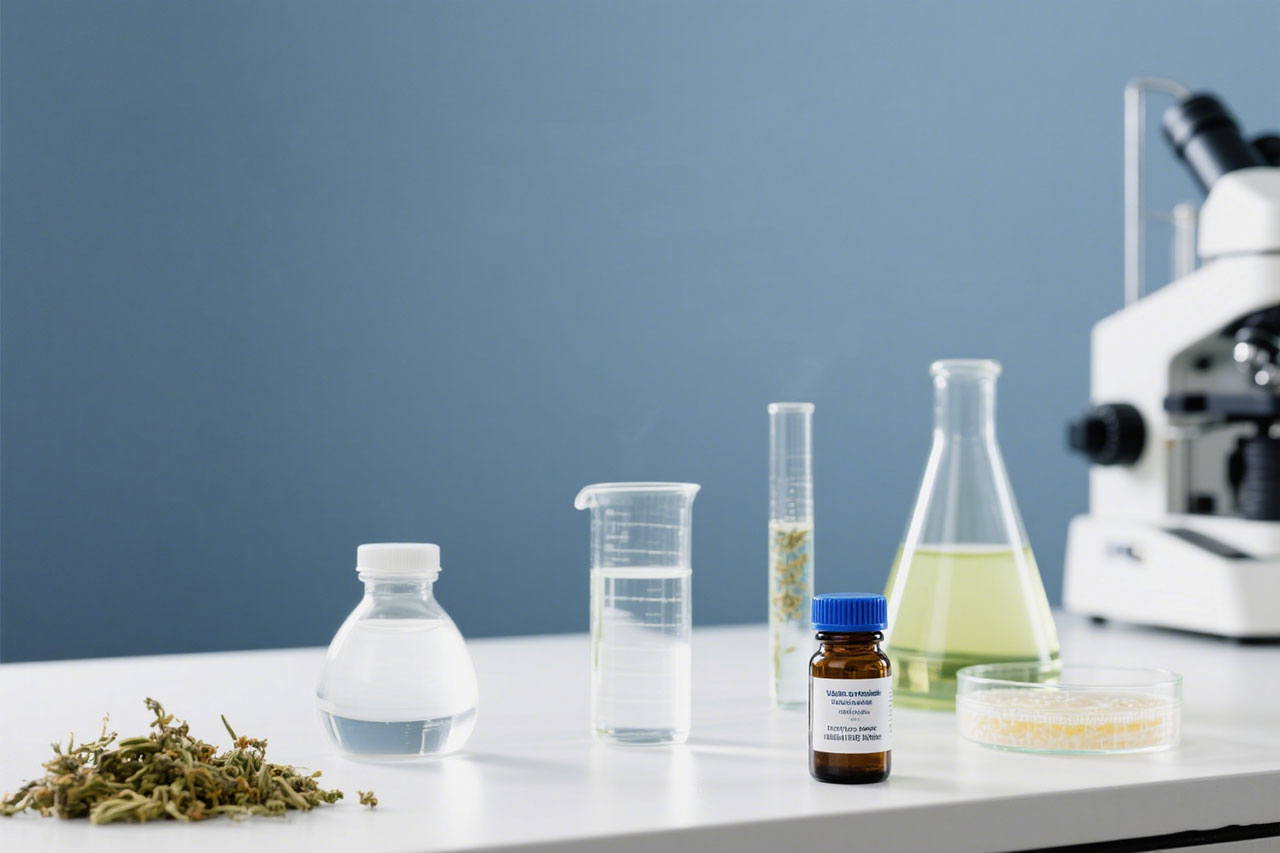
Testing Method Specifications:
| Method | Parameter | Equipment | Acceptance Criteria |
|---|---|---|---|
| HPLC-UV | Triterpenes | C18 column | 95-105% labeled potency |
| GC-MS | Ethanol residuals | DB-5 column | ≤5000ppm |
| ICP-OES | Heavy metals | Axial plasma | <20ppm each |
| TLC | Adulterants | Silica gel | Single band at Rf 0.42 |
Pharmacopeia-grade requirements[^2][^4]
Conclusion
Water-soluble Centella excels in sensitive skin formulations while alcohol-soluble variants show superior penetration for medical applications - always verify through HPLC and microbial testing[^2][^4][^5]
[^1]: Clinical efficacy benchmarks
[^2]: Solubility characteristics and formulation guidelines
[^3]: Molecular mechanisms of action
[^4]: Quality control methodologies
[^5]: Comparative ingredient performance data
[^6]: Market adoption and product applications