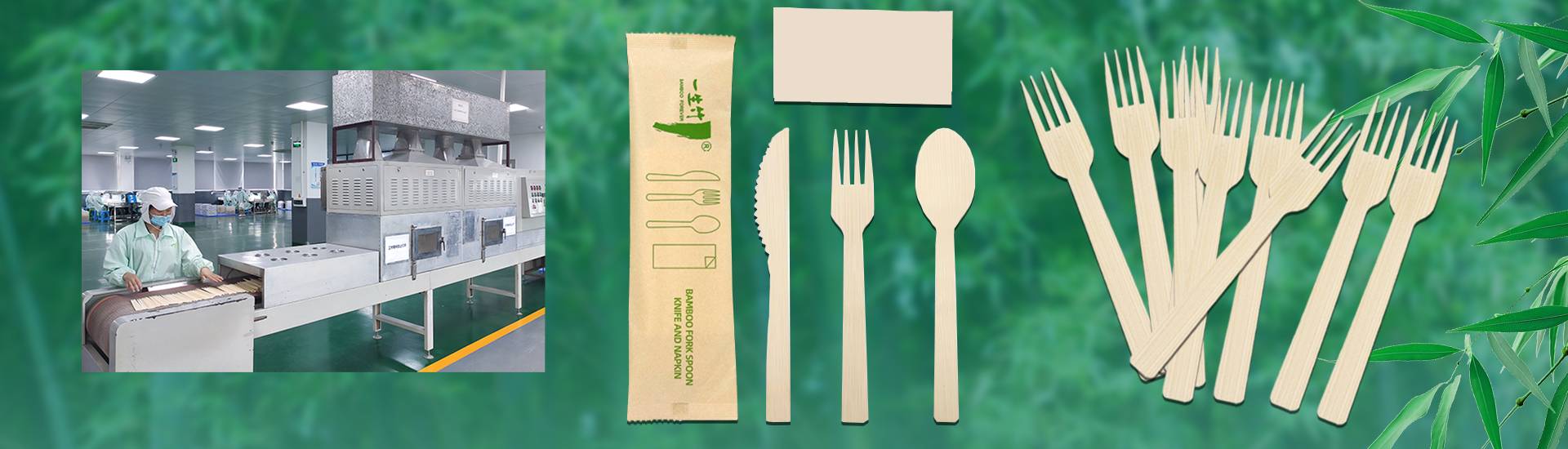
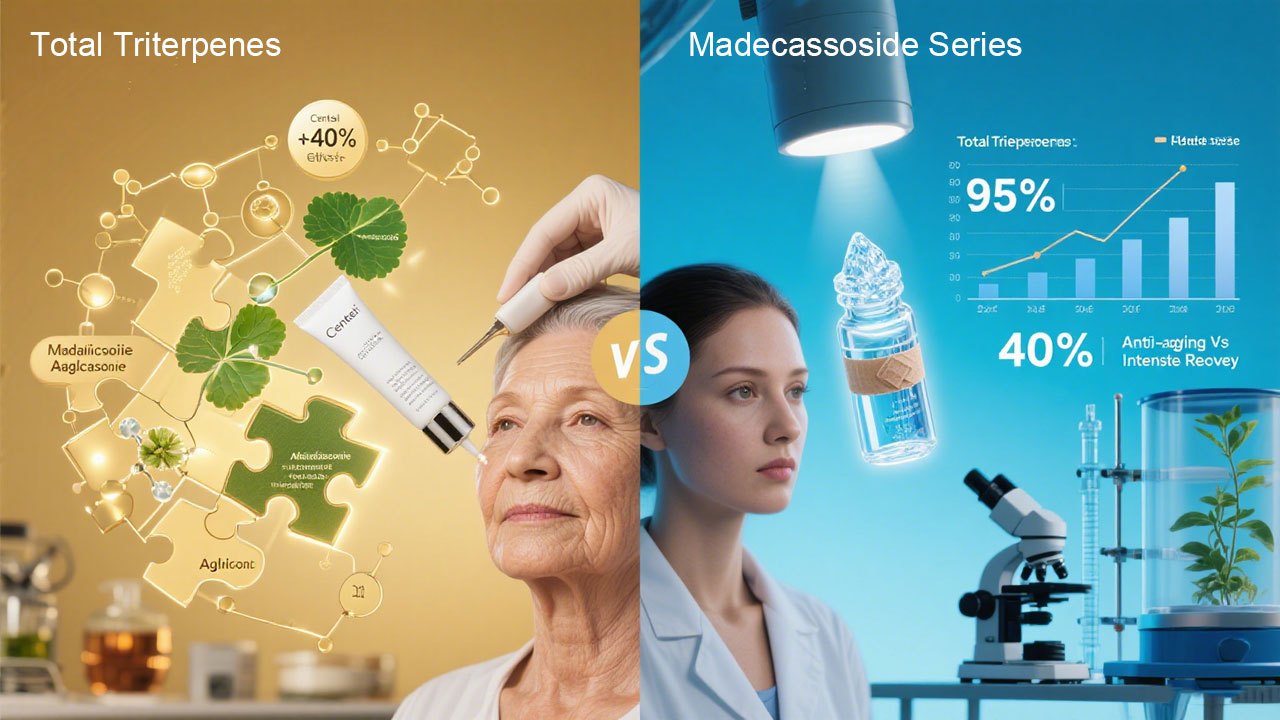
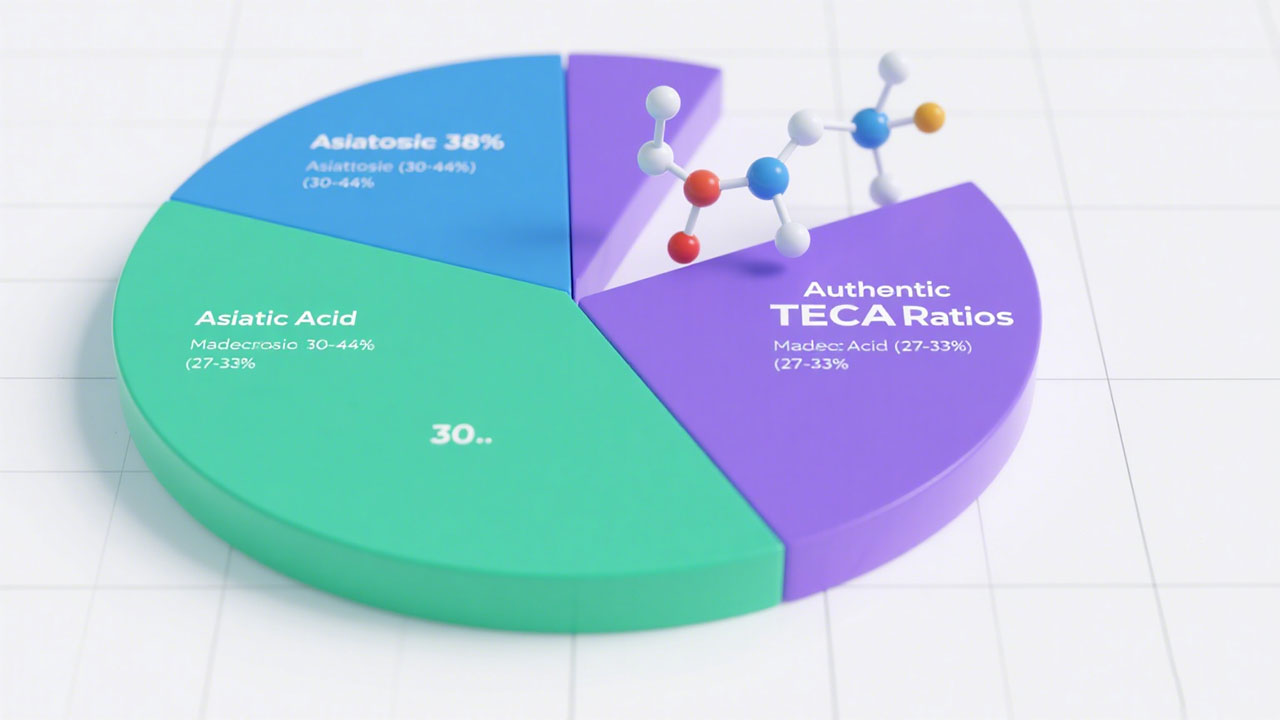
What Are the Main Differences Between Total Triterpenes and Madecassoside Series? When formulating Centella Asiatica skincare, choosing between total triterpenes and madecassoside series can determine product efficacy by up to 40%1. These extracts differ fundamentally in composition and applications. Total triterpenes contain all active compounds (asiaticoside, madecassoside, and their aglycones), while madecassoside series focus solely...
With over 150,000 Centella-infused products on the market[^1], consumers often make costly selection errors - here's how to bypass common pitfalls for optimal results. Avoid these critical mistakes: skipping patch tests (8% experience reactions)[^2], expecting overnight miracles (requires 28+ days)[^3], and combining with harsh actives that neutralize benefits[^4]. The Best Centella Asiatica Extract Products for Every Skin Type Not all ...
For the 25% of consumers battling sensitive skin, Centella asiatica extract emerges as a revolutionary barrier-repair agent by stimulating ceramide production and reducing inflammation[^1][^3] Clinical studies show 0.2% Centella increases stratum corneum ceramides by 45% while reducing transepidermal water loss (TEWL) by 58% within 28 days - outperforming traditional barrier ingredients[^3][^5] Anti-Aging Powerhouse: Centella Asiatica E...
Formulators face a critical decision when selecting Centella asiatica extracts - water-soluble for sensitive skin or alcohol-soluble for deeper penetration? [^2][^4] Water-soluble extracts (mainly madecassoside) excel in hydration and inflammation reduction, while alcohol-soluble extracts (asiaticoside/acid complexes) show superior collagen stimulation and scar repair[^2][^3][^4] How to Verify the Purity and Potency of Centella Asiatica...
While both are bioactive triterpenes in Centella asiatica, asiaticoside and madecassoside differ significantly in molecular structure and clinical effects - discover which one suits your formulation needs[^4][^6]. Key structural differences: Asiaticoside: C48H78O19 (3 sugar groups) Madecassoside: C48H78O20 (4 sugar groups) This impacts solubility (water/ethanol) and bioavailability[^3][^6]. What Are the Key Specifications of High-Qualit...